




Arch Clinic
Orthodontic Journey
Orthodontic treatment is not only about straight teeth. It is about creating a healthier bite, improving function and guiding the teeth into a more balanced, stable position.
This case shows the orthodontic journey from records and diagnosis through digital treatment planning, active braces treatment and the final result.

1. Records
Every orthodontic journey starts with accurate records.
We take the necessary clinical photographs, digital scans and CBCT radiographs to capture the teeth, bite and supporting structures in detail. These records give us the information needed to study the case properly before treatment begins.
The records are then loaded into specialised orthodontic planning software, where the digital planning process can begin.
2. Diagnosis
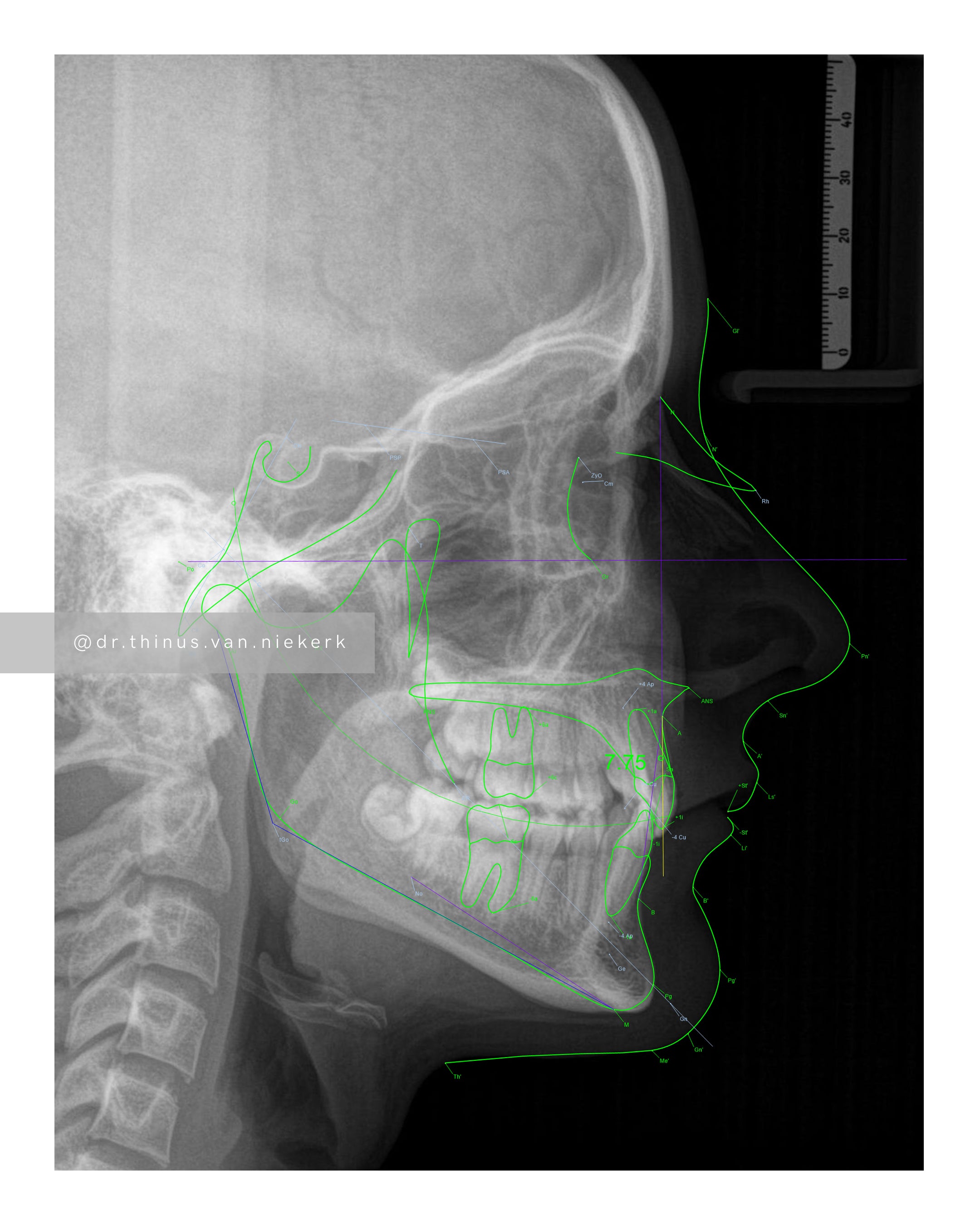
Once the records have been collected, the next step is diagnosis.
This is where we carefully assess the tooth positions, bite relationship, jaw development, available space and supporting bone. The aim is to understand why the teeth are positioned the way they are, not only how they look.
A clear diagnosis allows us to identify the key problems, set treatment goals and decide on the most appropriate orthodontic approach for the patient.
3. Treatment planning
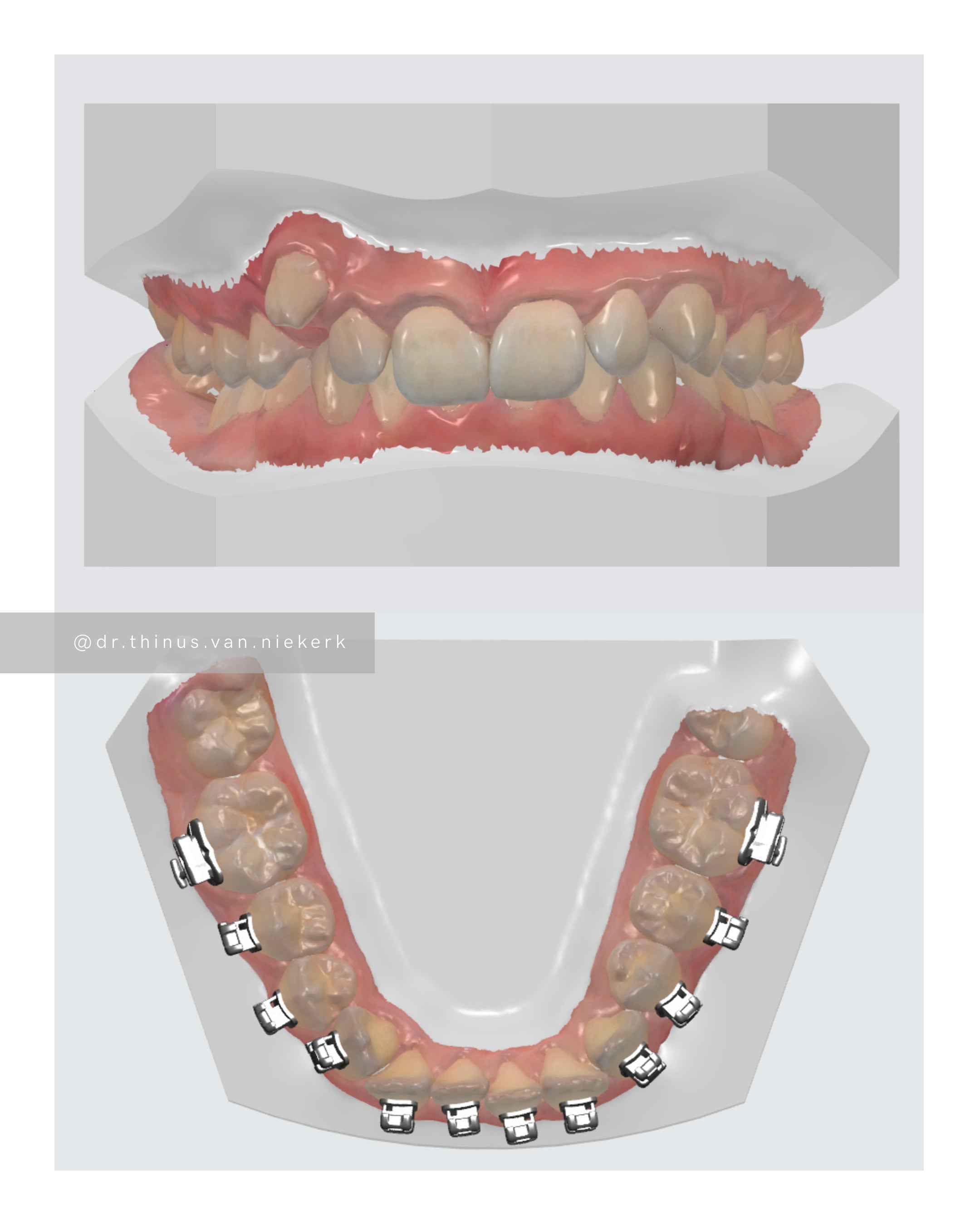
With the diagnosis complete, we begin planning the tooth movement.
Specialised orthodontic software and digital models allow us to visualise the case before active treatment starts. This helps us plan how the teeth need to move, where brackets should be positioned and how the treatment should be sequenced.
At Arch Dentistry, this planning stage is an important part of creating predictable orthodontic outcomes.
4. Active Treatment
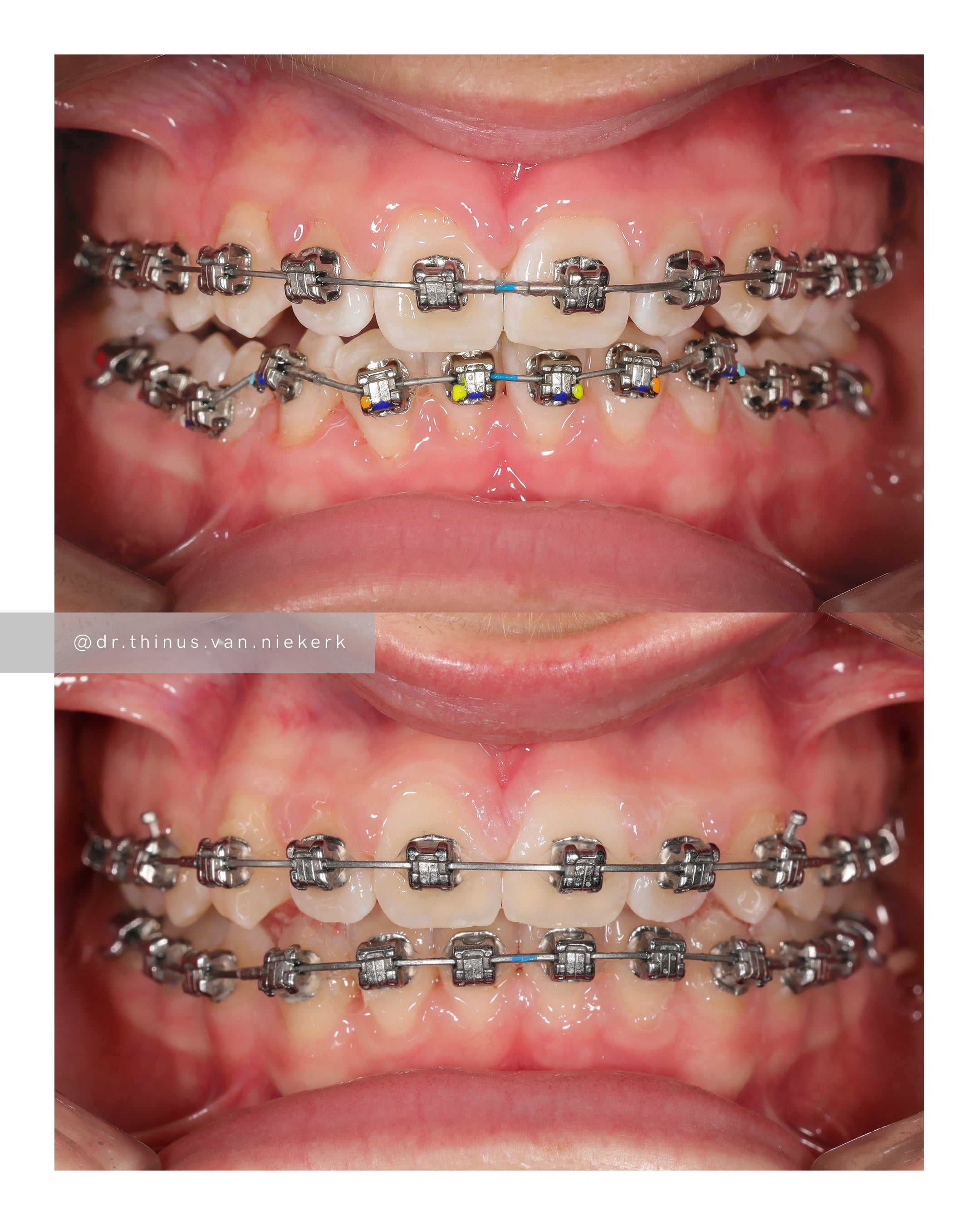
Once the planning is complete, the braces are placed.
In this case, the brackets were positioned using a 3D printed transfer jig, helping us place them accurately according to the digital treatment plan.
Orthodontic treatment happens gradually. The teeth are guided into improved alignment over time, with regular reviews and adjustments to refine the bite and smile.
5. Final result
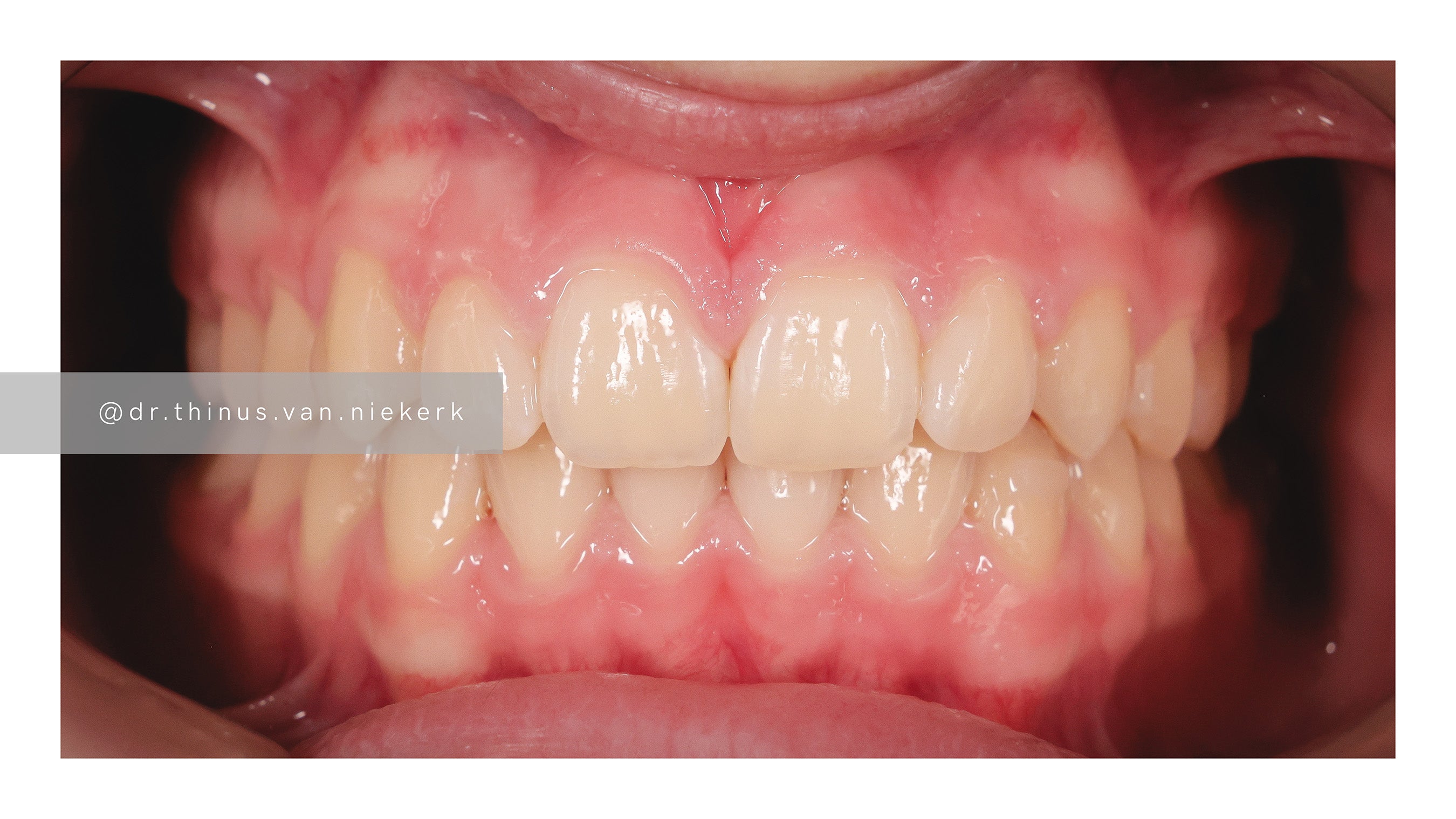
The final result shows a significant improvement in alignment, smile balance and bite relationship.
The goal was not only to create a straighter smile, but also to support better function, easier cleaning and long-term stability.
Information
Why planning matters
Every smile is different. Tooth position, jaw relationship, bone support and bite forces all influence how orthodontic treatment should be planned.
That is why we assess each case carefully before treatment begins. A well-planned orthodontic journey helps us move teeth more predictably and work toward a result that is functional, stable and natural-looking.
Information
What to Expect
We begin with photographs, digital scans and the necessary radiographs. These records are used to diagnose the case properly and create a personalised treatment plan before active orthodontic treatment begins.
Once the treatment plan is complete, the braces are placed and tooth movement begins. Treatment times vary depending on the complexity of the case, but regular reviews allow us to monitor progress and make the necessary adjustments.
Once the desired result has been achieved, the braces are removed and retainers are provided to help maintain the new tooth positions. Retention is an essential part of long-term orthodontic stability.
Information
Frequently Asked Questions
Digital treatment planning allows us to visualise the case before active treatment begins. It helps guide tooth movement, bracket positioning and treatment sequencing, which can make the orthodontic process more controlled and predictable.
CBCT imaging allows us to assess the teeth, roots, bone and surrounding structures in three dimensions. It is especially useful in more complex cases where we need a clearer understanding of tooth position, root angulation, impacted teeth, bone support or jaw relationships.
Treatment time depends on the complexity of the case, the type of orthodontic treatment used and how the teeth respond. Some cases are relatively straightforward, while others require more time to achieve a stable and functional result. A personalised estimate can be given after a full assessment.
Yes. Retainers are an essential part of maintaining the final result. After the braces are removed, the teeth naturally have a tendency to move. Retainers help hold the teeth in their new positions and support long-term stability.
The best option depends on your diagnosis, treatment goals and the complexity of the case. During your consultation, we assess your records and discuss whether fixed braces, clear aligners or another approach would be most appropriate.
Start your orthodontic journey
At Arch Dentistry, orthodontic treatment is part of our broader approach to arch development, oral health and long-term stability. Whether you are considering braces or clear aligners, the first step is a detailed consultation and assessment.
Book an orthodontic consultation to find out what is possible for your smile.